ClickCease

No items found.
No items found.

Check your email or
click here to download now

Check your email or
click here to download now

View More Resources

The Ultimate Landlord's Guide to Property Maintenance

Discover effective strategies for managing rental property maintenance, from preventive measures to using technology, in this comprehensive guide.
The Ultimate
Landlord’s Guide
to Property
Maintenance
Master Property Maintenance Management to Protect Your
Investment and Keep Tenants Happy
Discover effective strategies for managing rental property maintenance, from preventive measures to leveraging technology, in this all inclusive guide for landlords.
DoorLoop
Table of Contents
Introduction01
Understanding the Basics of Property Maintenance03
Developing a Streamlined Property Maintenance Plan08
Preventive Maintenance Strategies13
Handling Maintenance Requests and Emergencies17
Leveraging Technology for Efficient Property Maintenance20
I. Introduction
A. Purpose of This Whitepaper
This whitepaper serves as a comprehensive resource for landlords looking to streamline their property maintenance processes and avoid costly repairs. It will cover key aspects of property maintenance, including routine inspections, preventive maintenance strategies, and best practices for managing maintenance.
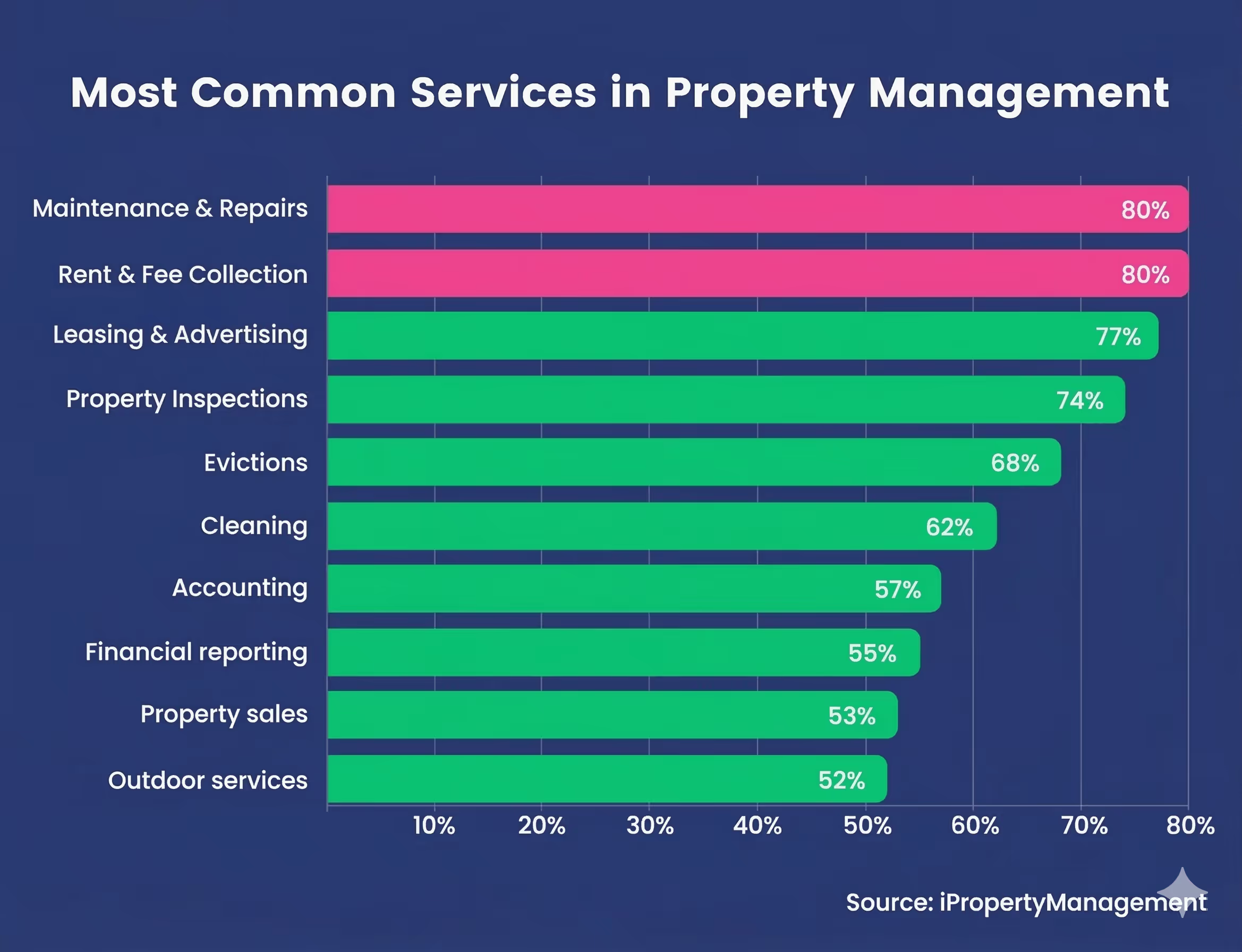
Most Common Services in Property Management
DoorLoop
01
A. Importance of Property Maintenance for Landlords
Property maintenance is crucial for landlords to ensure their rental properties remain in optimal condition. A well-maintained property is more attractive to prospective tenants, reduces the likelihood of costly repairs, and maintains or even increases the property’s value. This whitepaper is designed to provide landlords with a comprehensive guide on how to streamline their property maintenance processes and avoid expensive repairs.
B. Benefits of a Streamlined Maintenance Plan
A streamlined maintenance plan offers several advantages for landlords, including cost savings, tenant satisfaction, and property value preservation.
1. Cost Savings
A proactive and organized approach to property maintenance can help landlords save on repair costs. By regularly inspecting and maintaining the property, potential issues can be identified and addressed early, preventing them from escalating into expensive repairs.
2. Tenant Satisfaction
Tenants are more likely to remain in a well-maintained property, resulting in lower tenant turnover and reduced vacancy periods. By addressing maintenance concerns promptly and efficiently, landlords demonstrate their commitment to providing a comfortable living environment, which can lead to higher tenant satisfaction and retention.
DoorLoop
02
II. Understanding the Basics
of Property Maintenance
A. Types of Property Maintenance
To effectively streamline property maintenance, landlords should understand the different types of maintenance tasks. These can be broadly categorized into preventive maintenance, corrective maintenance, and cosmetic maintenance.
1. Preventive Maintenance
Preventive maintenance involves regularly scheduled tasks that aim to prevent equipment breakdowns and prolong the life of property components. Examples include cleaning gutters, servicing HVAC systems, and checking for leaks.
2. Corrective Maintenance
Corrective maintenance is performed when a problem has already occurred, and immediate action is required to fix the issue. This type of maintenance includes repairing broken appliances, fixing leaking pipes, and addressing electrical issues.
3. Cosmetic Maintenance
Cosmetic maintenance is focused on maintaining and improving the property’s visual appeal. Tasks include painting, landscaping, and cleaning common areas.
DoorLoop
03
B. Frequency of Maintenance Tasks
Maintenance tasks can be grouped by their frequency: seasonal, annual, or on an as-needed basis.
1. Seasonal
Seasonal maintenance tasks are performed at specific times of the year to prepare the property for weather changes. Examples include:
  • Cleaning gutters and downspouts in the fall
  • Inspecting and servicing the HVAC system before summer and winter
  • Winterizing outdoor pipes and faucets before freezing temperatures arrive
2. Annual
Annual maintenance tasks are performed once a year to ensure the property’s components are functioning optimally. Examples include:
  • Inspecting the roof for damage or leaks
  • Cleaning the chimney and fireplace
  • Testing smoke and carbon monoxide detectors
  • Conducting a pest inspection
Clipboard and maintenance checklist
04
3. As-Needed Basis
Some maintenance tasks are performed on an as-needed basis when problems arise or wear and tear become noticeable. Examples include:
  • Repairing or replacing broken appliances
  • Addressing plumbing or electrical issues
  • Patching holes in walls and repainting
C. Key Maintenance Areas
To streamline property maintenance and avoid costly repairs, landlords should focus on key maintenance areas, including plumbing, HVAC systems, electrical systems, structural integrity, and exterior and interior maintenance.
1. Plumbing
Regular plumbing maintenance can prevent leaks, water damage, and costly repairs. Key tasks include:
  • Inspecting pipes for leaks or corrosion
  • Checking for slow-draining sinks and showers
  • Testing water pressure and adjusting as necessary
Property inspection
05
2. HVAC Systems
Proper maintenance of heating, ventilation, and air conditioning (HVAC) systems can prolong their lifespan and ensure optimal energy efficiency. Key tasks include:
  • Changing air filters regularly
  • Inspecting and cleaning ducts and vents
  • Scheduling professional HVAC system servicing
3. Electrical Systems
Routine electrical maintenance can help prevent potential hazards and ensure the safety of tenants. Key tasks include:
  • Testing and replacing faulty outlets and switches
  • Inspecting electrical panels for signs of wear or damage
  • Ensuring proper grounding of electrical systems
4. Structural Integrity
Maintaining the structural integrity of a property is critical to its longevity and value. Key structural maintenance tasks include:
  • Inspecting the foundation for cracks or signs of settling
  • Regularly examining the roof for leaks or damage
  • Checking for signs of water intrusion, such as mold or rot, in walls and ceilings
DoorLoop
06
5. Exterior and Interior Maintenance
Both exterior and interior maintenance tasks are essential for preserving a property’s appearance and functionality. Important exterior and interior tasks include:
  • Cleaning gutters and downspouts
  • Repairing or replacing damaged siding, windows, or doors
  • Painting and sealing exterior surfaces to protect against weather damage
  • Ensuring common areas are clean and well-maintained
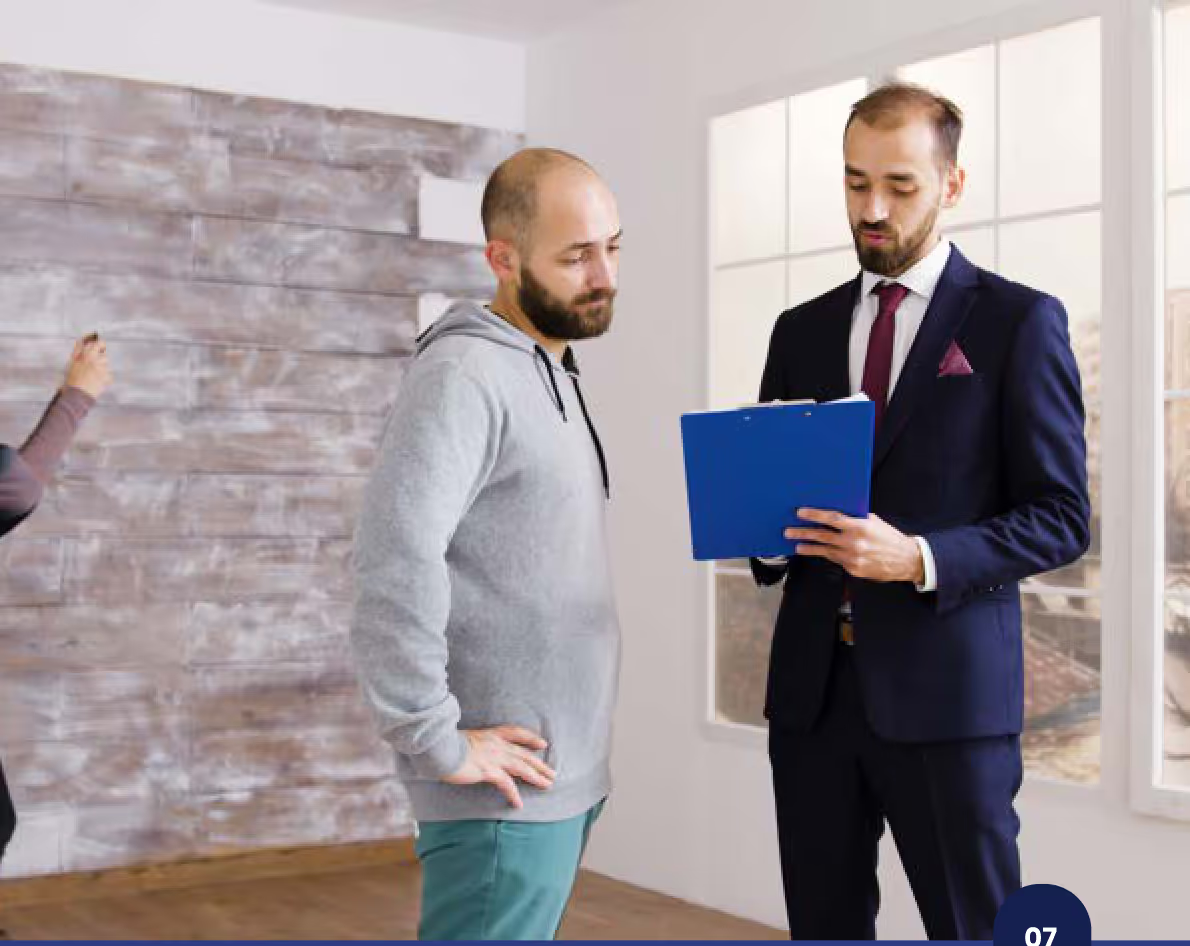
Maintenance clipboards
07
III. Developing a Streamlined
Property Maintenance Plan
A. Assessing Property Condition
Before implementing a streamlined property maintenance plan, it is crucial to assess the current condition of your property.
Planning maintenance
08
1. Inspection Checklist
Create a comprehensive inspection checklist to evaluate each aspect of your property, including plumbing, HVAC systems, electrical systems, structural integrity, and exterior and interior maintenance.
2. Identifying Areas of Concern
Using the inspection checklist, identify any areas that require immediate attention or ongoing maintenance. This will help prioritize and plan maintenance tasks more effectively.
B. Prioritizing Maintenance Tasks
Organize and prioritize maintenance tasks based on urgency and impact, as well as budget considerations.
1. Urgency and Impact
Determine which tasks need immediate attention due to safety concerns or potential damage to the property. Prioritize tasks that will have the greatest impact on tenant satisfaction and property value.
Blueprints review
09
2. Budget Considerations
Consider the cost of each maintenance task and allocate funds accordingly. Plan for both short-term and long-term expenses, as well as any unexpected repairs that may arise.
C. Scheduling Maintenance Tasks
Establish a schedule for maintenance tasks, including seasonal tasks, regular inspections, and tenant turnover maintenance.
1. Seasonal Tasks
Plan for seasonal tasks, such as winterizing plumbing systems, servicing HVAC units, and cleaning gutters, to ensure the property remains in optimal condition throughout the year.
2. Regular Inspections
Schedule regular inspections to identify potential issues before they escalate into costly repairs. This may include monthly or quarterly inspections, depending on the property’s age and condition.
3. Tenant Turnover Maintenance
Include maintenance tasks that should be completed during tenant turnover, such as deep cleaning, repainting, and addressing any damage caused by previous tenants.
DoorLoop
10
D. Building a Maintenance Team
Assemble a reliable maintenance team to ensure tasks are completed efficiently and to a high standard.
1. In-house vs. Outsourcing
Decide whether to manage maintenance tasks in-house or outsource them to professionals. In-house maintenance may be more cost-effective for minor tasks, while outsourcing can be beneficial for specialized work, such as plumbing or electrical repairs.
2. Finding Reliable Contractors
Research and select reliable contractors with a proven track record and positive reviews. Request references and compare quotes from multiple providers before making a decision.
3. Establishing a Network of Professionals
Develop a network of professionals, including plumbers, electricians, and HVAC technicians, to call upon when needed. This will streamline the process of addressing maintenance issues and reduce downtime.
Maintenance team
11
E. Implementing a Tracking and Record-keeping System
Maintain accurate records of all maintenance tasks, expenses, and invoices to streamline property management.
1. Maintenance Logs
Create detailed maintenance logs for each property, documenting all completed tasks, dates, and any relevant notes or observations. This will help track progress and identify any recurring issues.
2. Invoicing and Expenses
Organize and store invoices and receipts related to maintenance tasks. This will facilitate budget tracking and ensure all expenses are accounted for during tax season.
Laptop with maintenance records
12
IV. Preventive Maintenance
Strategies
1. Plumbing System
Inspect plumbing systems regularly to prevent water damage, leaks, and other costly problems. Key inspection tasks include:
  • Checking for leaks in pipes, faucets, and toilets
  • Inspecting and cleaning drains to prevent clogs
  • Flushing and servicing water heaters
A. Regular Inspections
Conducting regular inspections is essential to ensure that potential issues are identified and addressed in a timely manner.
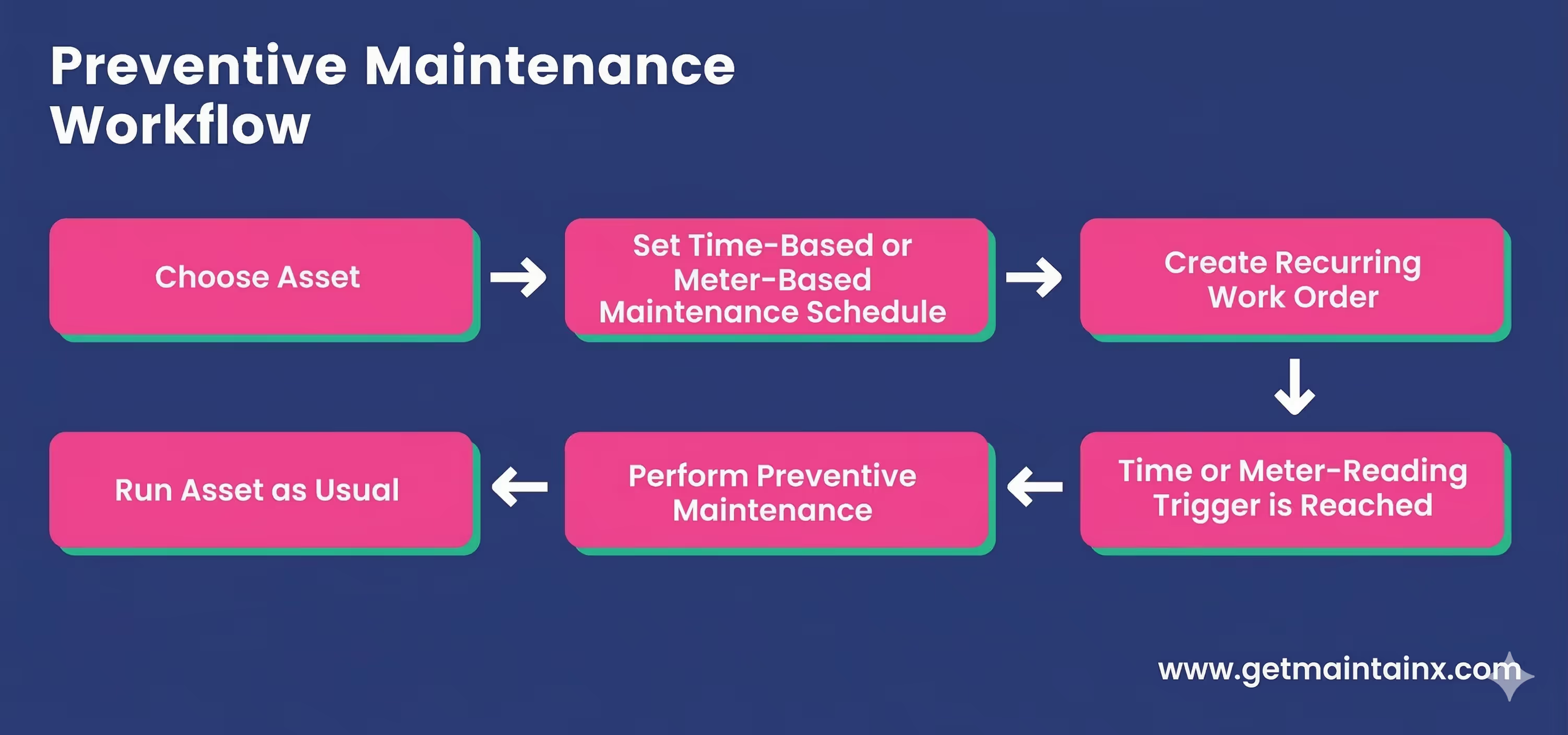
Maintenance workflow diagram
DoorLoop
13
2. HVAC System
Regularly inspect HVAC systems to maintain tenant comfort and energy efficiency. Key inspection tasks include:
  • Changing air filters as needed
  • Inspecting and cleaning ductwork
  • Scheduling annual service appointments with a professional technician
3. Roof and Gutter System
Regularly examine roofs and gutter systems to prevent leaks, water damage, and potential structural issues. Key inspection tasks include:
  • Inspecting the roof for damage or leaks
  • Cleaning gutters and downspouts to prevent water buildup and damage
House exterior
14
B. Seasonal Maintenance
Plan for seasonal maintenance tasks to ensure your property remains in optimal condition throughout the year.
1. Winterizing Properties
Prepare properties for colder months by:
  • Insulating pipes and sealing gaps to prevent freezing
  • Checking heating systems for efficiency and safety
  • Inspecting and repairing weatherstripping and insulation
2. Spring and Summer Landscaping
Maintain outdoor spaces during warmer months by:
  • Trimming trees and shrubs to prevent damage to the property
  • Mowing lawns and maintaining landscape features
  • Inspecting and repairing irrigation systems
3. Fall Cleanup and Preparation
Prepare properties for the colder months ahead by:
  • Cleaning gutters and downspouts to prevent ice dams
  • Inspecting and repairing roof and siding for potential issues
  • Sealing cracks and gaps to prevent drafts and pests
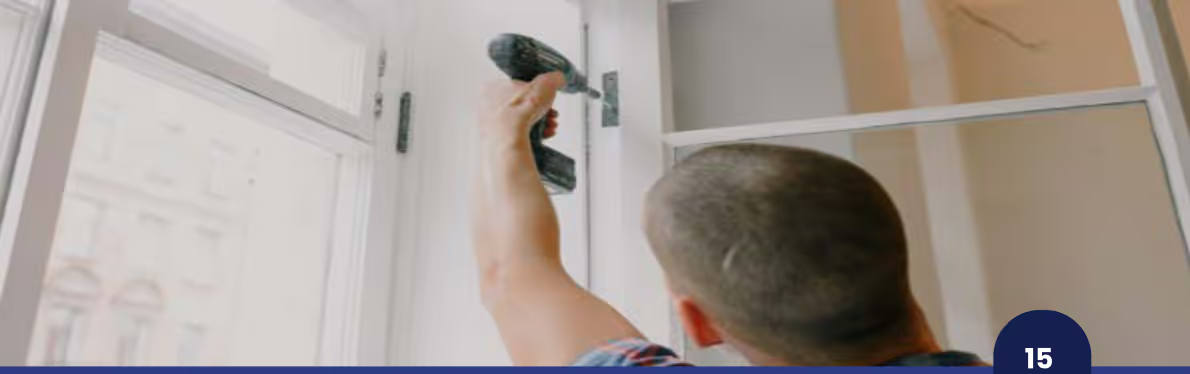
Maintenance work
15
C. Tenant Education and Responsibilities
Empower tenants to play an active role in property maintenance by providing clear guidelines and encouraging prompt reporting of issues.
1. Providing Clear Guidelines
Supply tenants with written guidelines outlining their maintenance responsibilities, such as changing light bulbs, maintaining smoke detectors, and addressing minor plumbing issues.
2. Encouraging Prompt Reporting of Issues
Encourage tenants to report any maintenance concerns promptly, allowing for timely repairs and minimizing the risk of costly damage.
3. Conducting Periodic Tenant Check-ins
Schedule regular check-ins with tenants to discuss any maintenance concerns and ensure they are adhering to guidelines.
Tenant meeting
16
V. Handling Maintenance
Requests and Emergencies
A. Establishing a Maintenance Request System
Implement a maintenance request system to streamline communication between tenants and property managers and ensure timely resolution of maintenance issues.
1. Communication Channels (Phone, Email, Online Portals)
Provide tenants with multiple communication channels, such as phone, email, or online portals, to submit maintenance requests. This will help ensure that tenants can easily report issues when they arise.
2. Request Prioritization and Categorization
Categorize and prioritize maintenance requests based on urgency and impact. This will help property managers address the most critical issues first, minimizing potential damage and improving tenant satisfaction.
3. Response Time Expectations
Set clear expectations regarding response times for maintenance requests, and communicate these to tenants. This helps manage tenant expectations and ensures that property managers are held accountable for timely issue resolution.
DoorLoop
17
B. Handling Emergency Maintenance Situations
Develop a plan for handling emergency maintenance situations to minimize damage, protect tenant safety, and reduce potential liability.
1. Defining Emergency Situations (Plumbing, Electrical, etc.)
Clearly define what constitutes an emergency maintenance situation, such as significant plumbing leaks, electrical hazards, or structural damage. This will help tenants understand when to report issues as emergencies.
2. Emergency Response Protocol
Establish an emergency response protocol that outlines the steps property managers and tenants should take in emergency situations. This may include immediate actions, such as shutting off water or electricity, contacting emergency services, and notifying property management.
3. Coordination with Emergency Services
Coordinate with local emergency services, such as fire departments and utility companies, to ensure quick response times during emergency situations. This collaboration will help protect tenants and minimize property damage.

DoorLoop
18
C. Tenant Communication and Satisfaction
Maintain open lines of communication with tenants and prioritize their satisfaction throughout the maintenance process.
1. Providing Updates on Maintenance Progress
Keep tenants informed of the progress of maintenance requests, including estimated completion times and any delays. This transparency will help build trust and improve tenant satisfaction.
2. Addressing Tenant Concerns
Be responsive to tenant concerns and address them promptly. Actively listen to their feedback and demonstrate a genuine commitment to resolving issues to their satisfaction.
3. Gathering Feedback for Improvement
Regularly solicit tenant feedback regarding the property maintenance process. Use this feedback to identify areas for improvement and make necessary adjustments to your maintenance plan. This continuous improvement will contribute to tenant satisfaction and help preserve the long-term value of your property.
By following the guidelines and strategies outlined in this whitepaper, landlords can streamline their property maintenance processes, minimize costly repairs, and maintain tenant satisfaction. Implementing a proactive and well-organized maintenance plan will ultimately
Tenant communication
19
VIII. Leveraging Technology
for Efficient Property
Maintenance
A. Property management software
Property management software features and benefits
1. Features and benefits
Property management software can simplify the process of managing rental properties, streamlining maintenance tasks, and improving communication with tenants. Key features of these software solutions include:
20
  • Maintenance request tracking
  • Work order management
  • Record-keeping and documentation
  • Tenant communication tools
  • Calendar and scheduling capabilities
  • Reporting and analytics
2. Integration with other tools
Many property management software options integrate with other tools, such as accounting software, payment processing platforms, and marketing tools, to create a seamless experience for landlords and property managers.
Team celebrating
21
B. Smart home devices and IoT
Assemble a reliable maintenance team to ensure tasks are completed efficiently and to a high standard.
1. Energy management (smart thermostats, lighting)
Smart home devices, such as smart thermostats and lighting systems, can help landlords and tenants manage energy consumption, reducing utility costs and supporting sustainability initiatives.
2. Leak detection and prevention
Internet of Things (IoT) enabled water leak detection systems can alert landlords and tenants to potential water damage, allowing them to address issues promptly and avoid costly repairs.
3. Security and access control
Smart security devices, such as cameras, doorbells, and access control systems, can enhance property safety, provide remote monitoring capabilities, and simplify tenant turnover processes.
Smart home living room
22
C. Mobile applications for landlords and tenants
1. Maintenance request apps
Maintenance request apps enable tenants to submit maintenance requests easily and allow landlords to manage, prioritize, and track these requests more efficiently. Some popular options include:
  • Property Meld
  • HappyCo
  • TenantCloud
2. Inspection and inventory apps
Inspection and inventory apps facilitate property inspections by providing digital checklists, photo documentation, and timestamped records. Examples of such apps are:
  • zInspector
  • Inspect & Cloud
  • RentCheck
Mobile phone apps
23
3. Communication and collaboration tools
Effective communication between landlords and tenants is crucial for smooth property maintenance. Mobile apps can improve communication by providing dedicated channels for messaging, sharing updates, and collaborating on maintenance-related tasks. Some popular communication tools include:
  • Slack
  • Microsoft Teams
  • WhatsApp
By leveraging technology, landlords can streamline their property maintenance processes, reduce response times, and enhance tenant satisfaction. Utilizing property management software, smart home devices, and mobile applications can make property maintenance more efficient, cost-effective, and proactive, ultimately leading to fewer costly repairs and better-managed rental properties.
Group collaboration
24
DoorLoop
In conclusion, effective property maintenance is the key to maximizing the value of your rental properties and providing a comfortable living environment for your tenants. By understanding the basics of property maintenance, developing a streamlined maintenance plan, implementing preventive strategies, and leveraging technology, you can ensure that your rental properties are well-maintained and free of costly repairs.
As a landlord, your commitment to property maintenance not only benefits your tenants but also safeguards your investment in the long run. We hope that this comprehensive guide has provided you with valuable insights and actionable steps to improve your property maintenance processes.
Remember that continuous learning and adaptation are crucial in staying ahead of the game in the rental property market.
We invite you to explore more resources on our website to further enhance your skills and knowledge as a landlord. If you found this guide helpful, don’t hesitate to share it with others who may benefit from it as well. Together, we can create thriving rental communities and elevate the standards of property management.
DoorLoop

This content is provided for informational purposes only. It does not constitute legal advice and should not be relied upon as such. Laws differ by jurisdiction. For advice specific to your situation, please contact a local attorney, accountant, or expert.


This content is provided for informational purposes only. It does not constitute legal advice and should not be relied upon as such. Laws differ by jurisdiction. For advice specific to your situation, please contact a local attorney, accountant, or expert.

Loading PDF…

Managing properties?
Explore the world of DoorLoop

Smiling person wearing a doorloop shirt and headset standing with arms crossed next to a digital display showing rent collected on 9/2/2024 as $3,200.00 paid and on 9/1/2024 as $2,400.00 paid.Visit our blog
Get insider property management tips, industry insights, and practical guides for growing your portfolio.
Visit Blog
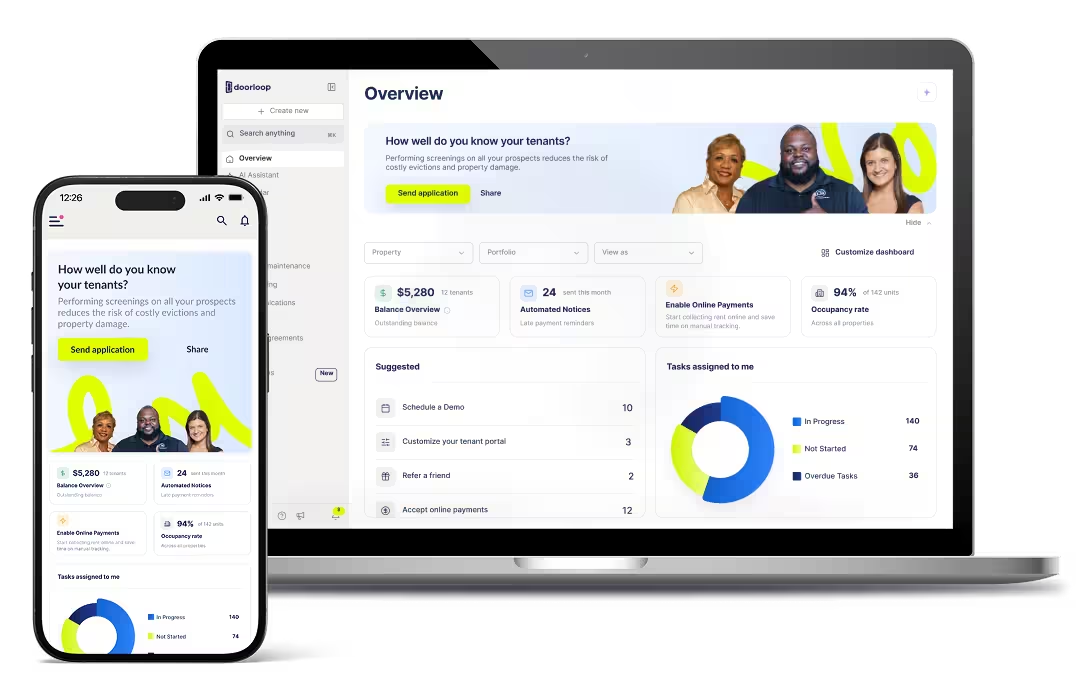
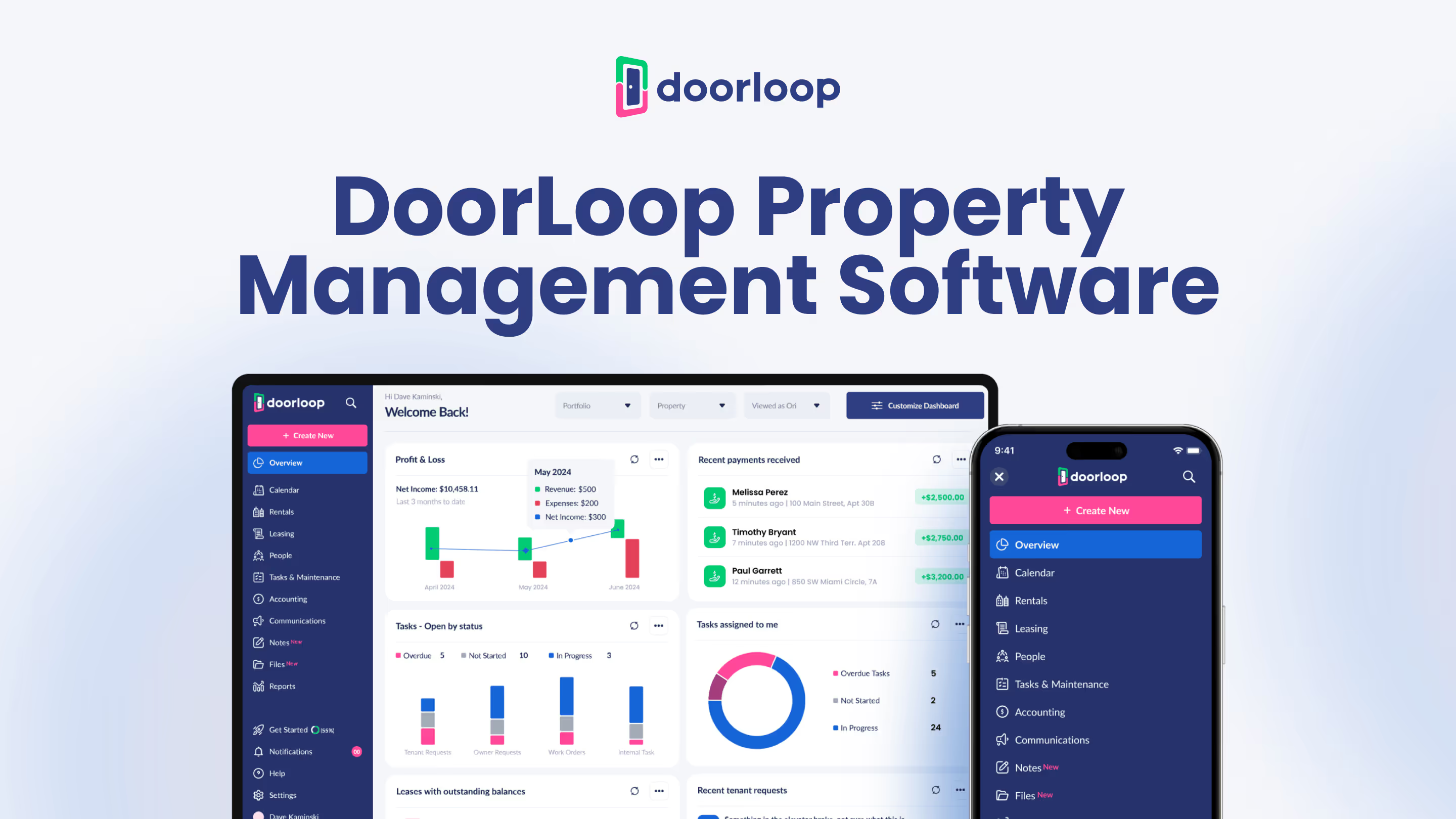
Dashboard interface showing financial data with sections for Profit & Loss, Rent Collected by tenants, Prospects Funnel statistics, and Unpaid Rent details, alongside a navigation menu on the left.What is DoorLoop?
Simplify, automate, and grow your portfolio with the all-in-one property management software.
Visit Homepage
Digital marketing banner showing a landlord’s eviction guide and a budgeting season blog post with a man working on a laptop.Free resources library
Expert whitepapers, webinars, ROI calculators, rental laws, forms and more—completely free.
Explore Resources

Spend less time managing,
and more time growing

Schedule A Demo →

Why DoorLoop?
Our customers know best.

Woman with long blonde hair wearing a bright pink blazer and white top sitting on a beige chair.
“DoorLoop saves me a lot of time. It has all the information that I need.”
Blonde woman wearing a pink blazer and necklace, posing indoors with a blurred background.

Debra Sever

OWNER

10 - 50 Units

Smiling man with beard wearing a black polo shirt giving a thumbs-up in front of a brick fireplace.
“DoorLoop saves me approximately 20-25 hours per week.”
Smiling man with a beard wearing a dark shirt and holding a drink in a wooden paneled room.

Chris Lumbu

CEO & FOUNDER

100 - 500 Units

Bald man with a white beard wearing a patterned shirt and brown jacket sitting in a room with dark patterned wallpaper.
“I would rate them a 10 out of 10. Actually that’s not fair, a hundred out of ten.”
Smiling man with beard and mustache wearing a dark shirt in an indoor setting.

Andrew Harrison

COO

500 - 1,000 Units

ALWAYS PUTTING THE CUSTOMER FIRST  

So many awards, we can’t count them