

ClickCease

No items found.
No items found.

Check your email or
click here to download now

Check your email or
click here to download now

View More Resources

The Landlord's Guide to Mastering Rent Collection for Maximum Returns

This whitepaper provides a comprehensive examination of the most effective strategies for rent collection, aiming to help landlords maximize returns.
DoorLoop
The Ultimate
Landlord’s Guide to
Mastering Rent
Collection for
Maximum Returns
Transform Your Rent Collection Process with
Proven Techniques and Smart Solutions
Discover the ultimate guide to rent collection for landlords, including strategies to ensure timely payments and minimize time spent on rent-related tasks each month.
DoorLoop doorloop.com
Table of Contents
Importance of Effective Rent Collection 01
Communication and Building Relationships with Tenants 03
Rent Collection Methods 05
Incentivizing On-Time Rent Payments 08
Handling Late or Missed Rent Payments 11
Automating Rent Collection and Management Processes 14
Financial Management and Reporting 17
Continual Improvement and Adaptation 19
02
A. Importance of Effective
Rent Collection
Rent collection is the lifeblood of a landlord's financial success. Regular, ontime rent payments ensure a steady cash flow, allowing landlords to cover property expenses, mortgage payments, and even generate passive income. When rent is collected efficiently, landlords can maintain financial stability and plan for long-term property investments.
A well-structured rent collection process fosters a positive landlord-tenant relationship, as it sets clear expectations and fosters mutual respect. By establishing a reliable and consistent system, landlords minimize misunderstandings and conflicts, resulting in happier tenants and reduced tenant turnover.
A. Understanding Local and Federal Laws
1. Rent Control Regulations
Rent control laws vary by state and city, so it is essential for landlords to familiarize themselves with local regulations. These laws may dictate limits on rent increases, eviction policies, and other tenant protections. Being wellversed in rent control regulations ensures that you are operating within legal boundaries and minimizes the risk of disputes.
2. Late Fees and Grace Periods
It is crucial to understand the legal limits on late fees and grace periods in your area. Many states have specific guidelines on the maximum allowable late fees and the minimum grace period before these fees can be charged. Ensure your lease agreement complies with these regulations to avoid potential legal issues.
DoorLoop
03
3. Eviction Procedures
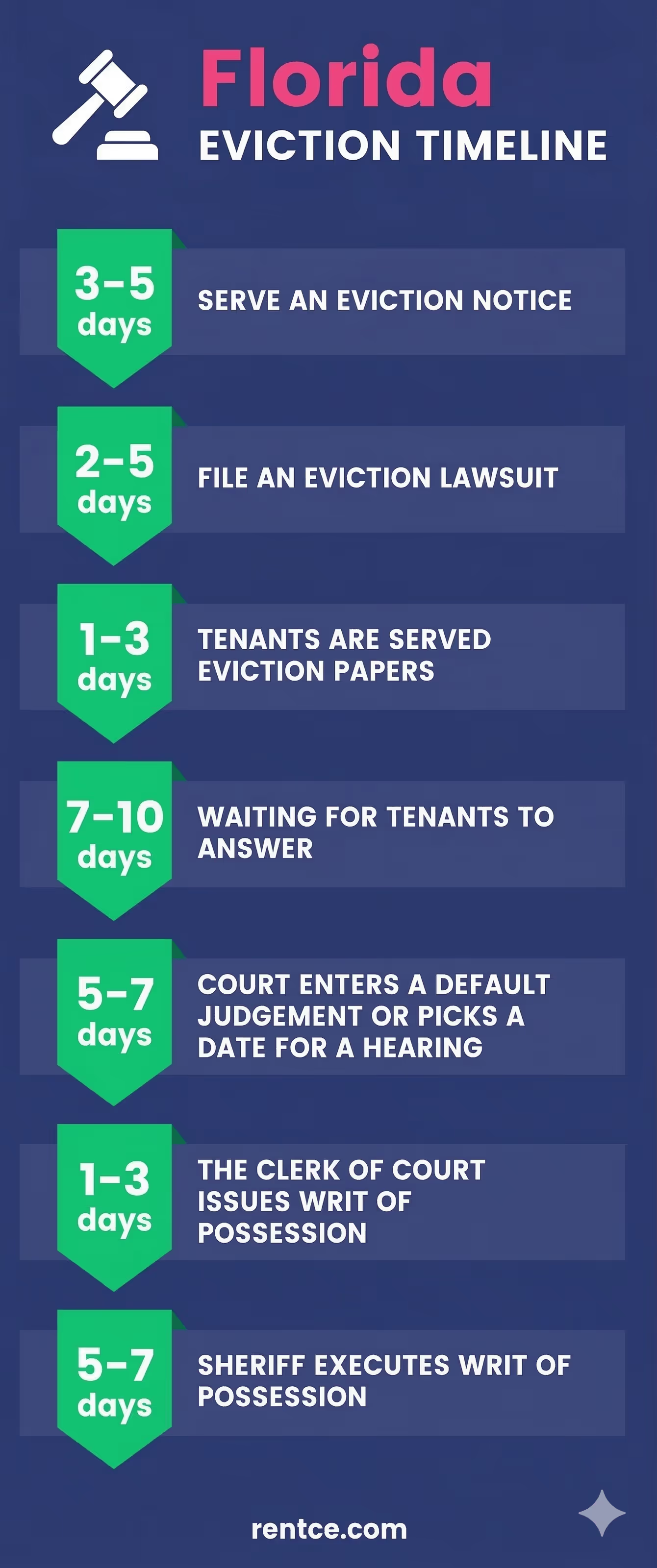
Landlords must follow a strict legal process to evict tenants for nonpayment of rent. Familiarize yourself with your state's eviction laws, as the process and required documentation may differ. Adhering to these laws protects your rights as a landlord and ensures a smoother eviction process if necessary.
Florida Eviction Infographic
DoorLoop
04
B. Establishing Clear Lease Agreements
4. Rent Due Dates and Payment Terms
Clearly outline rent due dates and payment terms in the lease agreement, specifying the preferred payment method(s) and any fees associated with alternative methods. This helps set expectations for both parties and streamlines the rent collection process.
5. Consequences for Late or Non-Payment
Include a section in the lease agreement that explains the consequences of late or non-payment, such as late fees, legal actions, or eventual eviction. By having this information in writing, tenants are more likely to prioritize rent payments and understand the potential repercussions of non-compliance.
III. Communication and
Building Relationships with
Tenants
A. Importance of Effective Communication
1. Establishing Trust and Rapport
Effective communication between landlords and tenants is crucial for building trust and rapport. By maintaining open lines of communication, landlords can create a positive atmosphere and demonstrate their commitment to addressing tenant needs, which ultimately encourages tenants to prioritize rent payments and treat the property with respect.
DoorLoop
05
2. Encouraging Timely Rent Payments
Transparent and consistent communication can help prevent rent collection issues by ensuring that both parties understand their responsibilities and expectations. When landlords keep tenants informed and promptly address concerns, tenants are more likely to feel valued and motivated to pay rent on time.
B. Best Practices for Communication
3. Welcoming New Tenants
Start the landlord-tenant relationship on a positive note by welcoming new tenants with a friendly introduction and providing essential information about the property and rent collection process. This establishes an open line of communication from the outset and sets the tone for future interactions.
4. Regular Check-ins and Updates
Maintain regular contact with tenants through check-ins, either in person, via phone, or through email. These check-ins can be used to discuss property maintenance, provide updates on any changes, or simply to ensure that everything is running smoothly. Regular communication helps build rapport and keeps both parties informed.
5. Addressing Concerns and Complaints Promptly
Respond to tenant concerns and complaints in a timely and professional manner, demonstrating that you value their feedback and are committed to resolving issues. This proactive approach can prevent minor problems from escalating and contributes to a positive landlord-tenant relationship.

DoorLoop
06
IV. Rent Collection Methods
A. Traditional Methods
1. Cash or Check Payments
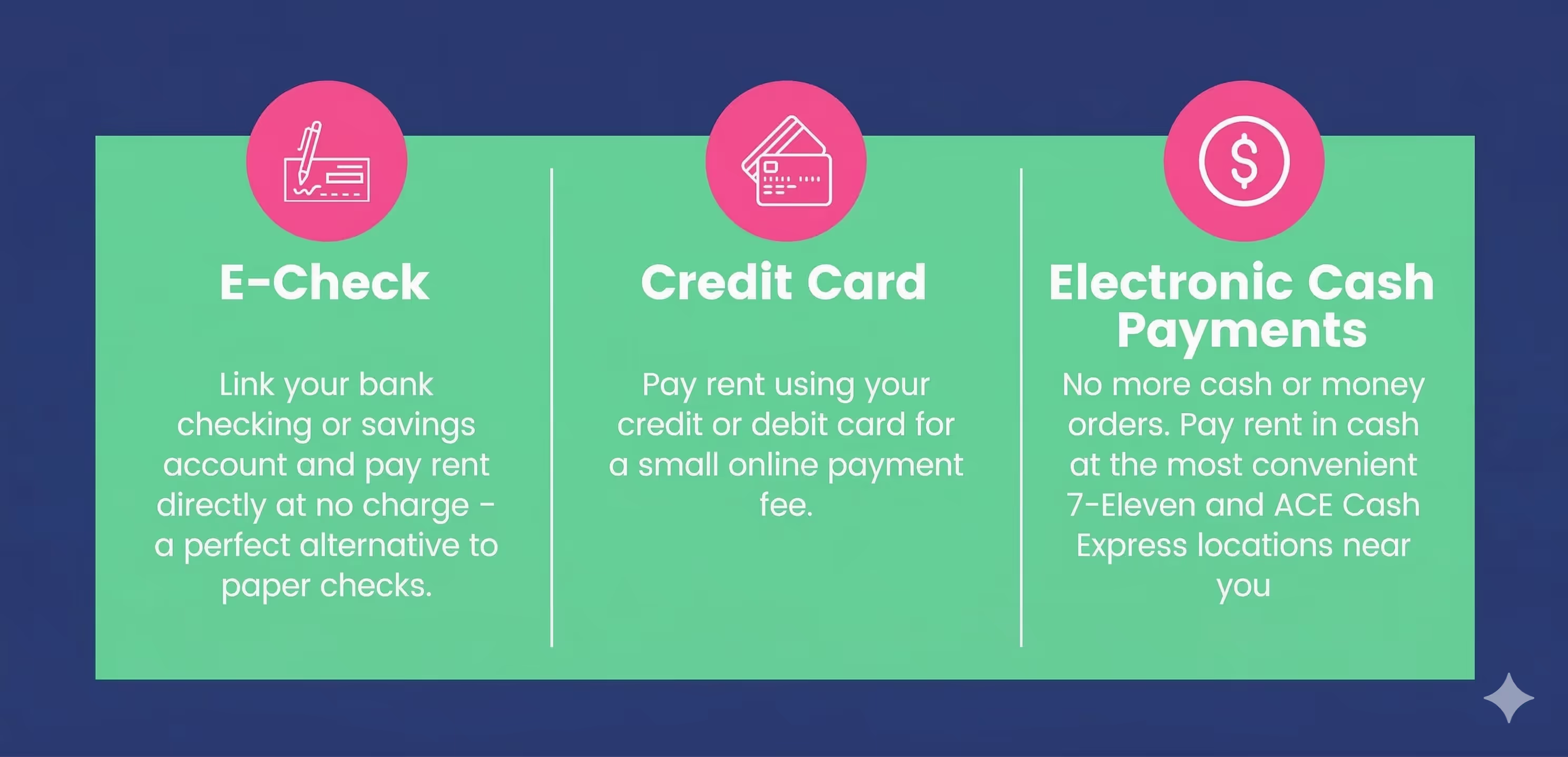
Traditional rent collection methods involve tenants paying rent in cash or with personal checks. These payments can be handed over in person, mailed, or deposited directly into a designated bank account.
2. Pros and Cons of Traditional Methods
Pros:
• Familiarity: Tenants and landlords may be more comfortable with traditional payment methods due to familiarity.
• No transaction fees: Cash and check payments typically don't involve transaction fees.
Rent Methods Cards
DoorLoop
07
Cons:
• Inconvenience: Collecting rent in person or waiting for mailed checks can be time-consuming and inconvenient for both parties.

• Increased risk: Handling cash or checks exposes landlords to the risk of theft, loss, or fraud.
B. Digital Methods
3. Online Payment Platforms
Online payment platforms, such as property management software or dedicated rent payment websites, offer a convenient way for tenants to pay rent electronically. These platforms often provide additional features like payment tracking and automatic reminders, simplifying the rent collection process for landlords.
4. Mobile Payment Apps
Popular mobile payment apps like Venmo, PayPal, or Zelle can also be used for rent collection. These apps are widely used, making it easy for tenants to transfer rent payments directly to the landlord's account.
5. Pros and Cons of Digital Methods
Pros:
• Convenience: Digital rent payments can be made anytime, anywhere, offering greater convenience for both landlords and tenants.
• Reduced risk: Electronic payments eliminate the risks associated with handling cash or checks.
• Improved record-keeping: Digital payment methods provide an automatic record of transactions, simplifying bookkeeping and financial tracking.
DoorLoop
08
Cons:
• Transaction fees: Some online payment platforms and mobile apps charge transaction fees, which can add up over time.
• Technology barriers: Landlords or tenants who are not tech-savvy may find digital methods challenging to navigate.
C. Choosing the Right Method for Your Property
6. Assessing Tenant Demographics and Preferences
To choose the most appropriate rent collection method, consider your tenant demographics and their preferences. Younger tenants may prefer digital methods, while older tenants might be more comfortable with traditional methods. Surveying your tenants can provide valuable insights into their preferred payment methods.
7. Evaluating Costs and Convenience for Both Parties
Weigh the costs and convenience of each rent collection method for both parties. Consider factors such as transaction fees, time spent on rent collection, and the ease of record-keeping when making your decision.
People Tablet
DoorLoop
09
V. Incentivizing On-Time
Rent Payments
A. Types of Incentives
1. Discounts for Early or On-Time Payments
Offering discounts on rent for early or on-time payments can motivate tenants to prioritize rent payments. These discounts can be a fixed amount or a percentage of the monthly rent.
Chart Renters Cropped
DoorLoop
10
2. Entry into Raffles or Prize Drawings
Entering tenants who pay their rent on time into raffles or prize drawings can create excitement and encourage timely payments. Prizes can range from gift cards to local businesses, electronics, or even vacation packages.
3. Accumulating Points Towards Property Upgrades or Services
Tenants can earn points for timely rent payments, which can be redeemed for property upgrades, such as new appliances, or services like professional cleaning or maintenance. This system can help retain tenants and improve property value over time.
Couple Agent
DoorLoop
11
B. Establishing a Reward System
4. Setting Clear Guidelines and Eligibility Criteria
When implementing a reward system, establish clear guidelines and eligibility criteria for tenants. These guidelines should outline the requirements for on-time payments, the frequency and types of rewards, and any additional terms or conditions.
5. Communicating the Rewards Program to Tenants
Effectively communicate the rewards program to tenants through various channels, such as email, flyers, or in-person meetings. Regularly remind tenants of the program and the benefits of timely rent payments to keep them engaged and motivated.
Reward System Photo
DoorLoop
12
C. Evaluating the Effectiveness of Incentives
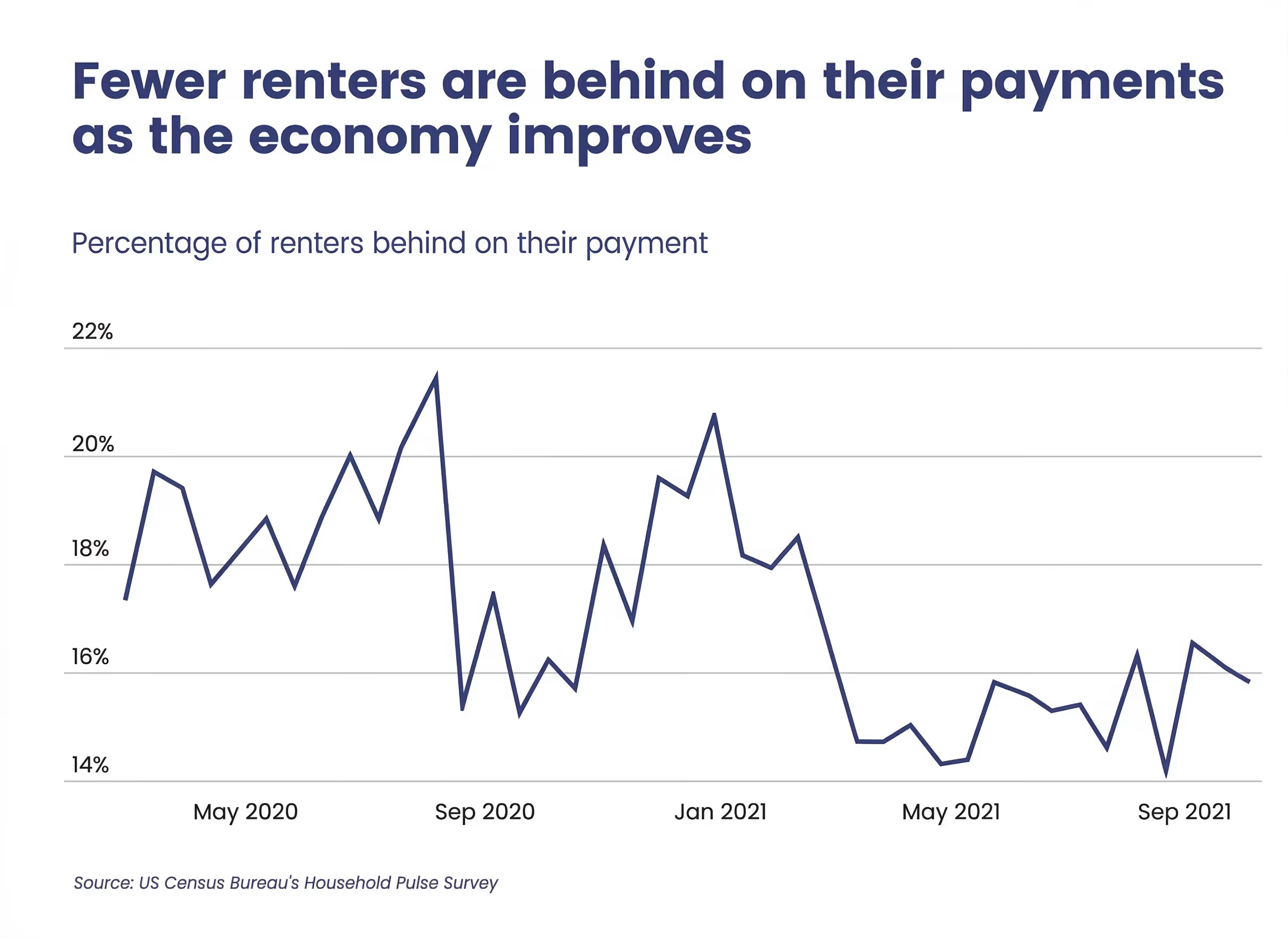
6. Tracking Rent Payment Trends
Monitor rent payment trends to assess the impact of incentives on timely payments. Compare data before and after implementing the rewards program to determine its effectiveness.
7. Assessing Overall Tenant Satisfaction
Evaluate overall tenant satisfaction with the rewards program through surveys or informal conversations. Consider making adjustments to the program based on tenant feedback to ensure its continued success.
VI. Handling Late or Missed
Rent Payments
A. Implementing a Late Rent Policy
1. Charging Late Fees
A late rent policy should include charging late fees for payments made after the due date. Late fees can be a fixed amount or a percentage of the rent, but they must be reasonable and comply with local regulations.
DoorLoop
13
2. Enforcing Grace Periods
Establish a grace period during which tenants can still pay rent without incurring late fees. This period should be clearly stated in the lease agreement and consistently enforced to avoid confusion or misunderstandings.
B. Communicating with Delinquent Tenants
3. Understanding the Reasons for Late Payments
When a tenant misses a rent payment, reach out to them to understand the reasons behind the delay. Financial difficulties, family emergencies, or simple forgetfulness can contribute to late payments. Understanding these reasons will help you determine the appropriate course of action.
4. Offering Assistance or Payment Plans if Necessary
For tenants facing temporary financial hardships, consider offering assistance or creating a payment plan to help them catch up on rent. This can foster goodwill and prevent further missed payments.
Woman Man Meeting
DoorLoop
14
C. Taking Legal Action When Necessary
5. Proper Documentation and Record-Keeping
Maintain accurate records of rent payments, late fees, and all communication with tenants regarding rent collection. Proper documentation is essential when taking legal action against delinquent tenants.
6. Initiating Eviction Procedures
If a tenant consistently fails to pay rent or does not adhere to a payment plan, it may be necessary to initiate eviction procedures. Follow local regulations and consult an attorney to ensure that the eviction process is carried out correctly and legally.
Legal Meeting
DoorLoop
15
VII. Automating Rent
Collection and Management
Processes
A. Benefits of Automation
1. Reducing Administrative Tasks
Automating rent collection and management processes significantly reduces the time and effort spent on administrative tasks, allowing landlords to focus on other aspects of property management.
2. Streamlining Rent Collection and Record-Keeping
Automation simplifies rent collection by enabling tenants to make payments online and generating automatic reminders. It also improves record-keeping by storing all transaction details in a centralized, easily accessible system.
3. Enhancing Tenant Experience
An automated rent collection system offers convenience to tenants by allowing them to pay rent online, view payment history, and receive prompt notifications about upcoming due dates.
DoorLoop
16
B. Property Management Software
4. Features and Functions
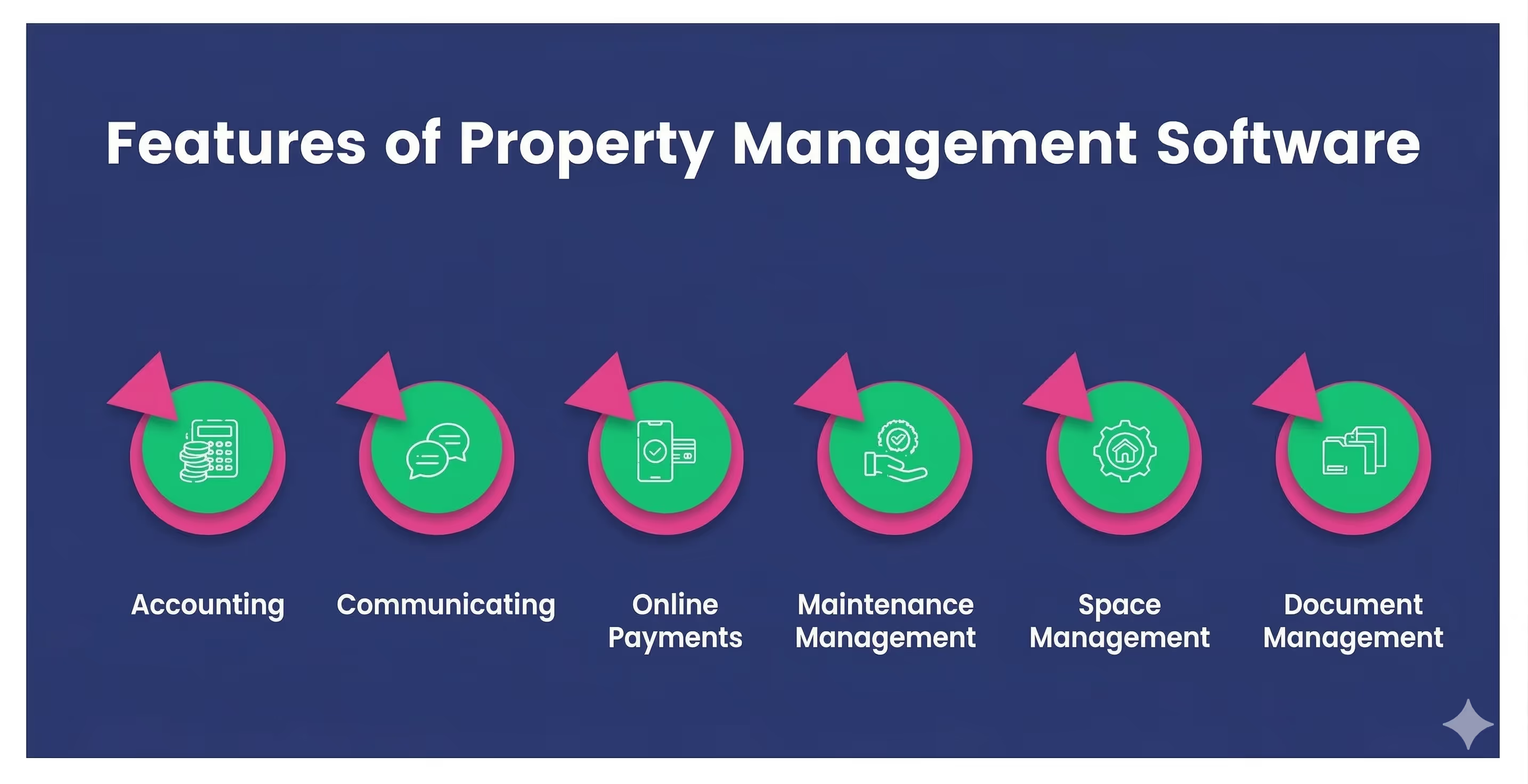
Property management software offers a variety of features, including online rent collection, automated invoicing, tenant screening, maintenance request tracking, and financial reporting.
5. Comparing Popular Property Management Platforms
There are several property management platforms available, each with different features, pricing, and user experiences. Some popular options include AppFolio, Buildium, and Rentec Direct. Compare these platforms based on their features, ease of use, and customer support to determine the best fit for your needs.
C. Integrating Automation with Existing Processes
6. Transitioning from Manual to Automated Systems
Automating rent collection and management processes significantly reduces the time and effort spent on administrative tasks, allowing landlords to focus on other aspects of property management.
Features Pm Graphic
DoorLoop
17
7. Training and Support for Tenants and Staff
Provide training and support for tenants and staff to ensure a smooth transition to the automated system. This may include step-by-step guide
Features Pm Software
DoorLoop
18
VIII. Financial Management
and Reporting
A. Importance of Accurate Financial Records
1. Monitoring Property Performance
Accurate financial records are essential for monitoring property performance and making informed decisions about property management, such as setting rent levels, making improvements, or refinancing loans.
2. Complying with Tax and Legal Requirements
Maintaining accurate financial records ensures compliance with tax and legal requirements, helping landlords avoid penalties and interest charges due to late or incorrect filings.
Financial Meeting
DoorLoop
19
B. Tools for Financial Management
3. Accounting Software
Accounting software, such as QuickBooks or Xero, helps landlords manage their property finances by automating tasks like invoicing, expense tracking, and tax preparation.
4. Budgeting and Forecasting Tools
Budgeting and forecasting tools, such as Microsoft Excel or dedicated budgeting software, assist landlords in planning for future expenses and estimating rental income, helping them make informed decisions about property management.
C. Creating Financial Reports
5. Income and Expense Tracking
Regularly tracking income and expenses provides a clear picture of property performance and identifies areas where adjustments may be necessary, such as increasing rent or reducing operating expenses.
6. Rent Collection and Delinquency Reports
Rent collection and delinquency reports help landlords identify tenants who consistently pay late or miss payments, enabling them to take appropriate action to improve rent collection rates.
7. Cash Flow Projections
Cash flow projections help landlords forecast future income and expenses, allowing them to make informed decisions about property management, such as refinancing loans, making capital improvements, or adjusting rent levels.
DoorLoop
20
Accurate financial records are crucial for monitoring property performance and complying with tax and legal requirements. Using financial management tools, such as accounting software and budgeting tools, can help landlords effectively manage their property finances. Regular financial reporting, including income and expense tracking, rent collection and delinquency reports, and cash flow projections, can provide valuable insights into property performance and inform decision-making processes.
IX. Continual Improvement
and Adaptation
A. Regularly Reviewing Rent Collection Strategies
1. Assessing the Effectiveness of Current Methods
To maximize rent collection efficiency, landlords should regularly review their rent collection strategies and assess their effectiveness. By analyzing rent payment data, landlords can identify trends and areas for improvement to ensure optimal performance.
Improvement Couch
DoorLoop
21
2. Identifying Areas for Improvement
Once areas for improvement have been identified, landlords can implement changes to their rent collection strategies, such as adjusting payment methods, modifying late fee policies, or offering incentives for on-time payments.
B. Staying Informed About Industry Trends and Best
Practices
3. Participating in Landlord Associations and Forums
Joining landlord associations and participating in online forums can provide valuable insights into industry trends and best practices, enabling landlords to stay informed and adapt their rent collection strategies accordingly.
4. Attending Workshops and Conferences
Attending workshops and conferences focused on property management and rent collection can help landlords learn from experts and network with other professionals, fostering the exchange of ideas and experiences.
C. Adapting to Changing Tenant Needs and
Preferences
5. Conducting Tenant Surveys and Gathering Feedback
To ensure rent collection strategies remain effective and tenant-friendly, landlords should regularly conduct tenant surveys and gather feedback. This feedback can help landlords identify areas for improvement and adapt their strategies to better meet tenant needs and preferences.
DoorLoop
22
6. Implementing New Technologies and Services
Adopting new technologies and services, such as property management software or online payment platforms, can improve the rent collection process for both landlords and tenants. Staying up-to-date with technological advancements and industry trends can help landlords maintain a competitive edge in the rental market.
Continual improvement and adaptation are essential for successful rent collection. Landlords should regularly review their rent collection strategies, stay informed about industry trends and best practices, and adapt to changing tenant needs and preferences. By doing so, they can ensure a more efficient and effective rent collection process, leading to higher rent collection rates and improved tenant satisfaction.
Tech Kitchen
DoorLoop
23
DoorLoop
This whitepaper aims to equip landlords with effective strategies to streamline rent collection, ensuring a higher percentage of rent is received on time and in a hassle-free manner. We will outline various methods and tools to make the process more efficient, helping landlords achieve financial stability while maintaining a positive relationship with their tenants.
In addition to strategies, we will provide practical tips and best practices that landlords can implement immediately to improve their rent collection process. By following these guidelines, landlords can create a more professional and reliable system, resulting in fewer late or missed payments and reduced stress.
DoorLoop

This content is provided for informational purposes only. It does not constitute legal advice and should not be relied upon as such. Laws differ by jurisdiction. For advice specific to your situation, please contact a local attorney, accountant, or expert.


This content is provided for informational purposes only. It does not constitute legal advice and should not be relied upon as such. Laws differ by jurisdiction. For advice specific to your situation, please contact a local attorney, accountant, or expert.

Loading PDF…

Managing properties?
Explore the world of DoorLoop

Smiling person wearing a doorloop shirt and headset standing with arms crossed next to a digital display showing rent collected on 9/2/2024 as $3,200.00 paid and on 9/1/2024 as $2,400.00 paid.Visit our blog
Get insider property management tips, industry insights, and practical guides for growing your portfolio.
Visit Blog
Dashboard interface showing financial data with sections for Profit & Loss, Rent Collected by tenants, Prospects Funnel statistics, and Unpaid Rent details, alongside a navigation menu on the left.What is DoorLoop?
Simplify, automate, and grow your portfolio with the all-in-one property management software.
Visit Homepage
Digital marketing banner showing a landlord’s eviction guide and a budgeting season blog post with a man working on a laptop.Free resources library
Expert whitepapers, webinars, ROI calculators, rental laws, forms and more—completely free.
Explore Resources

Spend less time managing,
and more time growing

Schedule A Demo →

Why DoorLoop?
Our customers know best.

Woman with long blonde hair wearing a bright pink blazer and white top sitting on a beige chair.
“DoorLoop saves me a lot of time. It has all the information that I need.”
Blonde woman wearing a pink blazer and necklace, posing indoors with a blurred background.

Debra Sever

OWNER

10 - 50 Units

Smiling man with beard wearing a black polo shirt giving a thumbs-up in front of a brick fireplace.
“DoorLoop saves me approximately 20-25 hours per week.”
Smiling man with a beard wearing a dark shirt and holding a drink in a wooden paneled room.

Chris Lumbu

CEO & FOUNDER

100 - 500 Units

Bald man with a white beard wearing a patterned shirt and brown jacket sitting in a room with dark patterned wallpaper.
“I would rate them a 10 out of 10. Actually that’s not fair, a hundred out of ten.”
Smiling man with beard and mustache wearing a dark shirt in an indoor setting.

Andrew Harrison

COO

500 - 1,000 Units

ALWAYS PUTTING THE CUSTOMER FIRST  

So many awards, we can’t count them