





Key Takeaways
- Lease Extension: Uses a simple addendum to lengthen the current lease’s term with minimal changes. The original lease terms stay mostly intact (you might adjust things like rent or end date).
- Lease Renewal: Involves signing a brand-new lease agreement with updated terms. This is like restarting the contract and is chosen when major changes are needed or you want a fresh lease document.
- When to Extend vs Renew: Extend the lease to keep a good tenant when only minor tweaks (e.g., end date or small rent increase) are needed. Opt for a renewal if substantial changes are required (after renovations, big rent adjustments, new policies, etc.) to ensure all updates are captured.
- Plan Ahead: Start the extension or renewal process about 60–90 days before the lease expires to give both parties time to review and agree on terms. Early planning prevents vacancy gaps and rushed decisions.
- Retention Saves Money: Keeping an existing tenant via extension/renewal avoids turnover costs (which average nearly $3,872 per unit in lost rent and prep expenses) and downtime. It’s often cheaper and easier to extend or renew with a great tenant than to find and onboard a new one.
As a property manager or owner, finding reliable tenants is challenging enough—so what happens when a good lease is about to expire?
You might think your only option is to go through the entire leasing process again, but there’s a simple alternative: extending the current lease with just a few adjustments.
Extending a lease allows you to keep your trusted tenants in place while avoiding the hassle of searching for new ones. But how do you decide when it’s best to extend a lease versus renew it?
Let’s explore when each option makes the most sense and how to execute these processes efficiently.
Lease Extension vs. Lease Renewal: What’s the Difference?
When it comes to continuing a rental agreement with a tenant, you have two main options: extend the lease or renew the lease. They sound similar (both result in the tenant staying longer), but they work differently.
Here’s a quick comparison:
In short, a lease extension is the more efficient choice if your goal is to maintain the status quo (keeping the same agreement with minimal changes). It uses an addendum to continue the current lease, avoiding the hassle of a brand-new contract. A lease renewal, on the other hand, is appropriate when substantial changes are needed or both parties prefer to start fresh with a new agreement. Both approaches are legal ways to extend a tenancy; they just differ in how much the original contract is altered.
Note: A lease addendum is the document typically used for extensions – it’s an attachment to the original lease that outlines the new end date and any small changes. A lease amendment is a similar document used to modify specific terms of a lease (and could be used if you have more extensive changes but don’t want a whole new lease). If you find yourself changing many core terms, that’s a signal that a full renewal (new lease) might be more appropriate than a simple extension.
When to Extend or Renew a Lease
How do you decide which approach to use? It largely depends on the situation and how much you need to change the lease terms.
Use a Lease Extension if…
- You want to reduce vacancy by keeping a reliable tenant and only need to adjust the lease timeline.
- You need to avoid gaps, such as aligning the end date with a better season or avoiding holidays.
- Everything is going well and you want to simplify the process for small changes like a short extension or slight rent increase.
Use a Lease Renewal if…
- You need to make substantial changes to the agreement, including new rules or updated responsibilities.
- The property has gone through major upgrades or renovations, and the lease needs to reflect those improvements.
- Market conditions have changed and you want to reset the rent or terms to match current rates.
- You want to start fresh due to past issues or to clarify the contract with a clean, new agreement.
How to Execute a Lease Extension
The lease extension process can be broken down into a few key steps:
- Review the Existing Lease Agreement: Before making any changes, carefully review the current lease agreement. Note details like the end date, rent amount, and any terms that might need updating. Also, check for any required notices that must be given to the tenant or landlord's before extending the lease.
- Communicate with the Tenant: Open communication is essential. Discuss the possibility of extending the lease and ensure both parties agree on the updated terms.
- Provide the Lease Extension Addendum: Draft the lease extension addendum with the new end date and any changes, like a rent increase. The lease addendum serves as a formal supplement to the original lease. If more substantial changes are needed, a lease amendment may be used to document those modifications. Ensure that both parties sign it to make it legally binding.
- Secure Signatures: Once signed, update your records with the new agreement details. Both the landlord's and tenant's signatures are required for the extension to be legally binding.
In some cases, if the changes are significant, a new rental agreement may be drafted to ensure clarity and legal compliance.
Managing lease extensions across multiple properties can become complicated without the right tools. This is where DoorLoop’s software makes a difference.
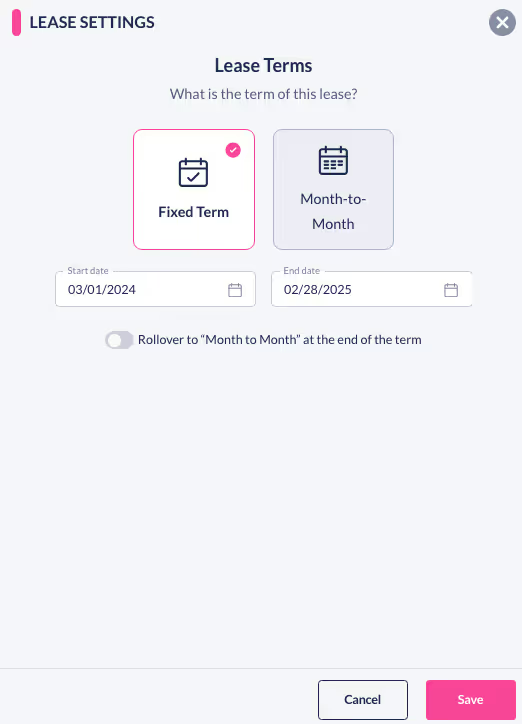
With DoorLoop, you can easily extend the end date of an active lease without needing to create a new agreement. Whether you need to correct a previously recorded date, transition a lease to month-to-month, or simply extend the lease, the process is straightforward.
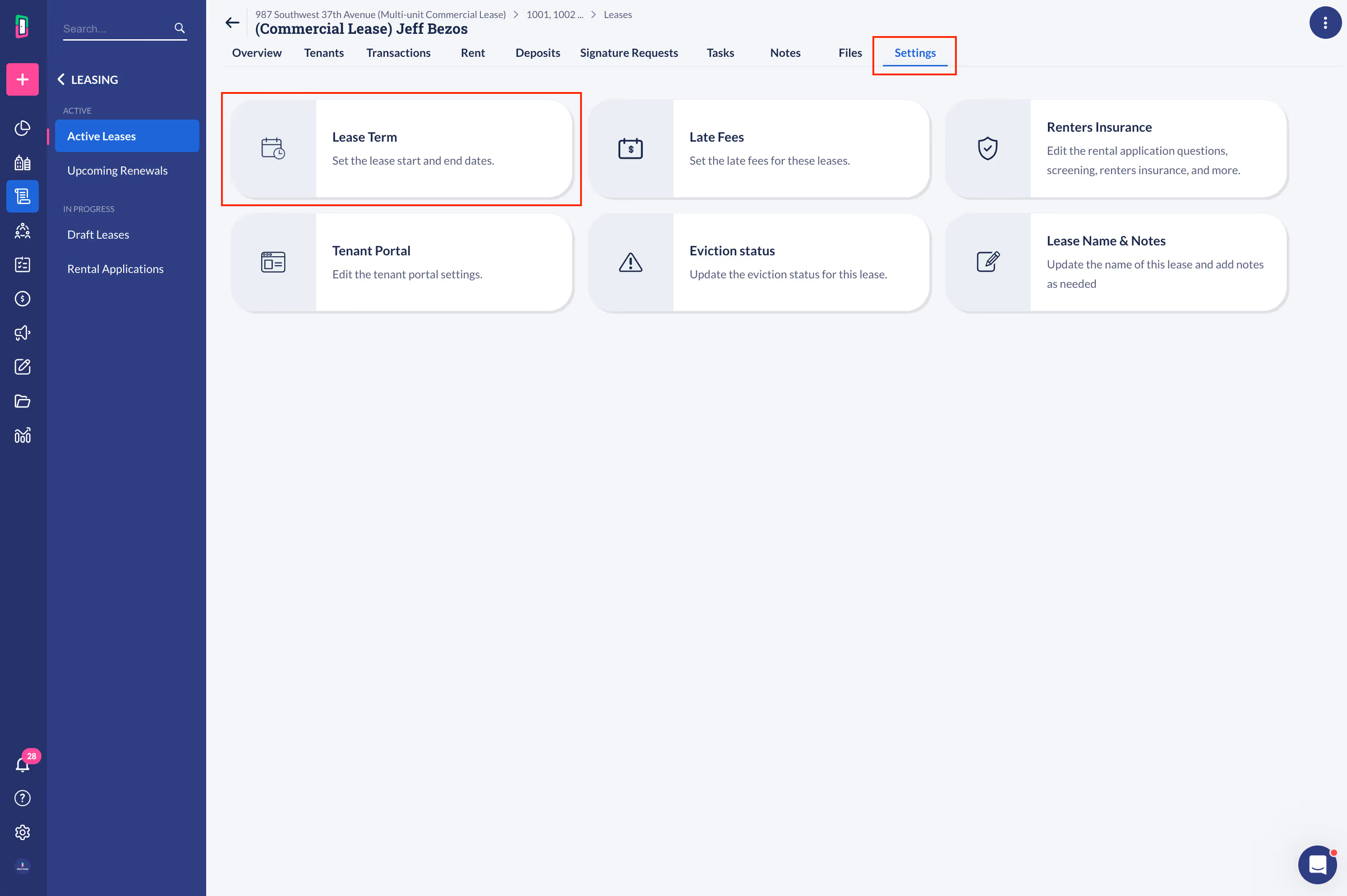
To edit the lease terms on an active lease, click Leasing on the left-hand main menu. Now click Active Leases. Find the lease you want to extend and click on it.
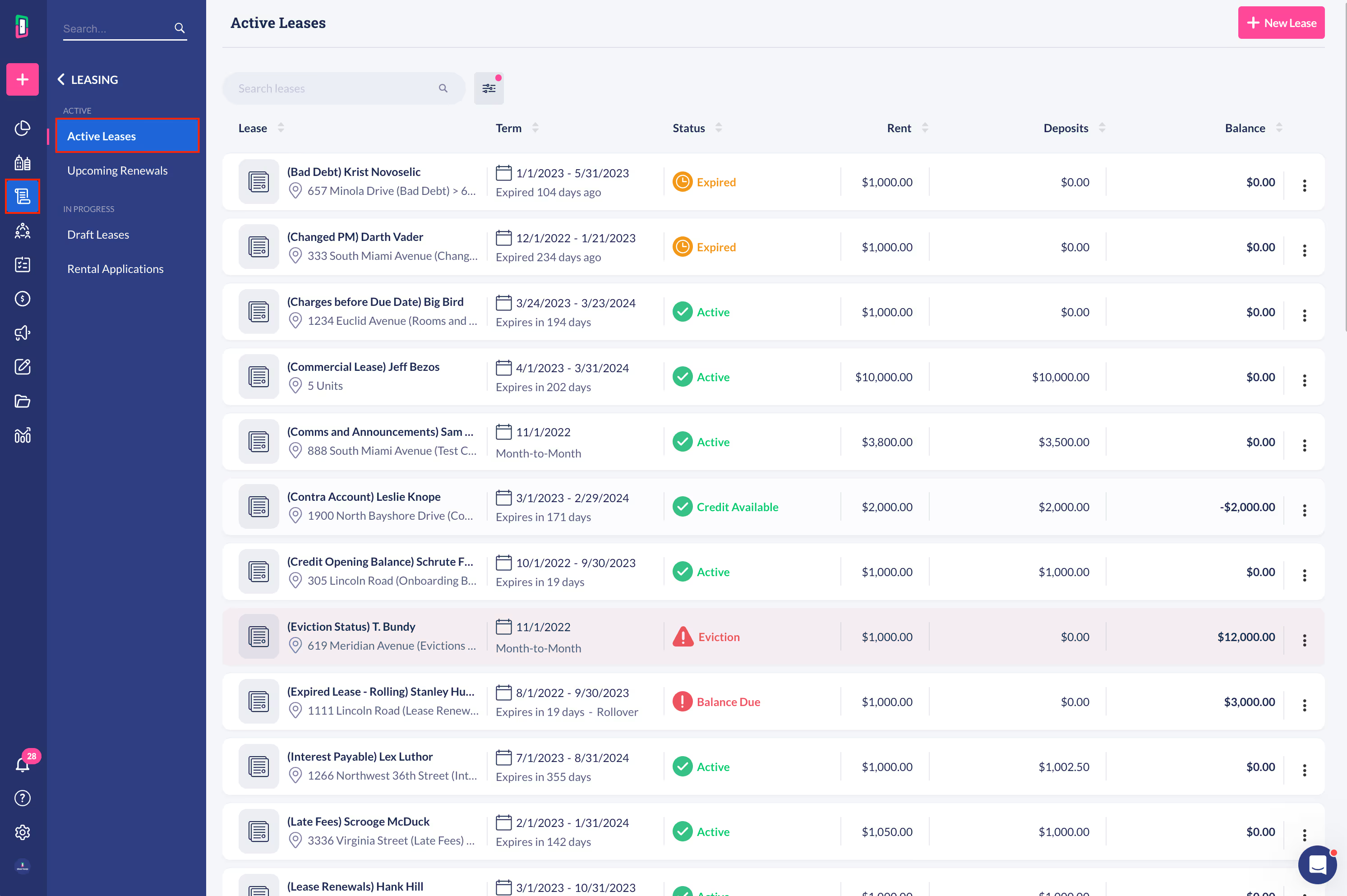
Click on the Settings tab and then click Lease Term.
Once you’ve selected the lease you want to extend, you can adjust the lease end date, turn on the rollover to "Month-to-Month" at the end of the term, or switch the lease entirely to month-to-month.
DoorLoop makes it easy to manage lease extensions seamlessly without the administrative hassle of drafting new agreements.
How to Execute a Lease Renewal
Executing a lease renewal involves more steps than a simple lease extension because it’s essentially creating a new agreement. Here’s how to do it:
- Review the Current Lease: Before making changes, examine the existing lease agreement to determine what needs to be updated or revised. If the original lease expires before the renewal is finalized, you may need to execute a new rental agreement to ensure continuous legal coverage.
- Discuss with the Tenant: Ensure that the tenant is interested in renewing the lease and discuss any necessary changes to the terms, such as rent increases, new rules, or updated responsibilities.
- Draft the New Lease Agreement: Use the information from your discussions to draft a brand-new lease that reflects the updated terms. For minor changes, a lease amendment or lease addendum may be sufficient, but a new rental agreement is required for substantial updates to the original lease.
- Collect Signatures: Once both parties (landlord and tenant) agree to the new terms, ensure that the lease is signed and dated by each party, making it legally binding.
- Update Your Records: Store the signed lease in your records and update your software to reflect the new agreement.
Renewing leases can be time-consuming, especially when managing multiple properties. DoorLoop’s software simplifies the process by providing a structured, step-by-step approach.
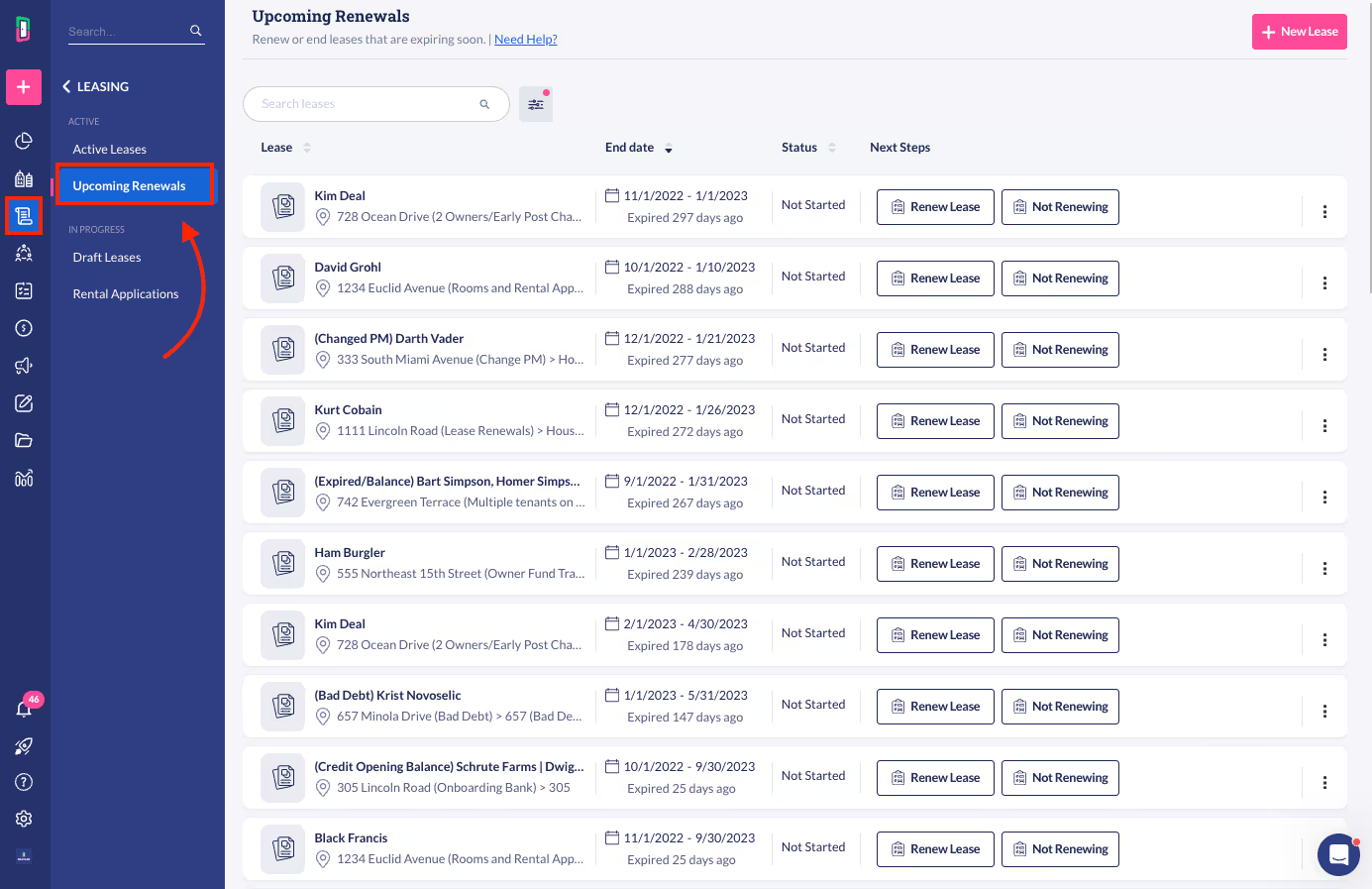
DoorLoop allows you to track leases approaching expiration with the Upcoming Renewals feature. Here, you’ll find a list of all leases set to end within a customizable date range, helping you stay on top of renewals well in advance.
To start the lease renewal process, navigate to the Leasing section from the left-hand main menu, then select Upcoming Renewals. You’ll see a list of leases set to expire within the next 120 days. You can adjust the date range using the Term Ends filters to customize the list based on your needs.
Find the lease you want to renew, and click the Renew Lease button.
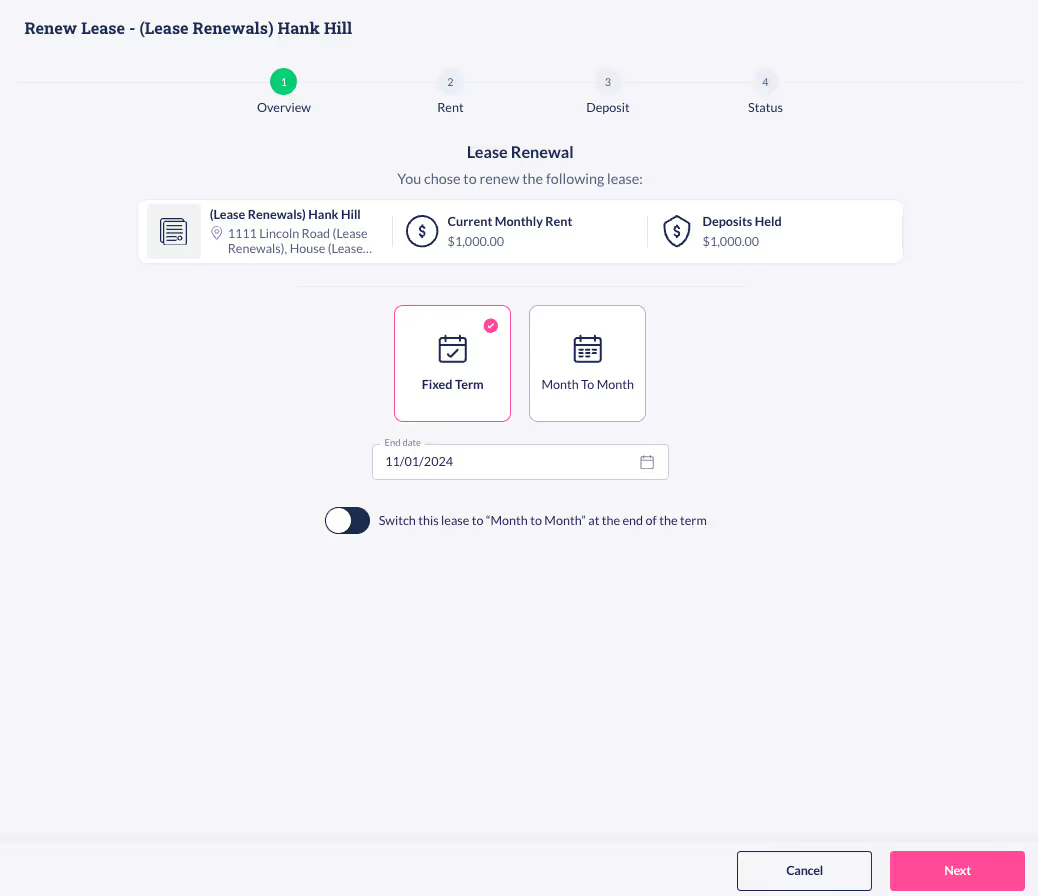
DoorLoop’s Lease Renewal Wizard walks you through each step.
On the Overview page, you’ll find a summary of the current lease details, including the current monthly rent and any deposits held.
Below that, you can choose to renew the lease as either a fixed term or a month-to-month agreement. This flexibility ensures you can cater to the needs of both your tenants and your business.
Next, you can update the rent charges. Whether you’re making minor adjustments or adding new recurring charges like pet fees or parking, the wizard guides you through each step.
You can even schedule future rent increases within the same workflow, allowing for more strategic long-term planning.
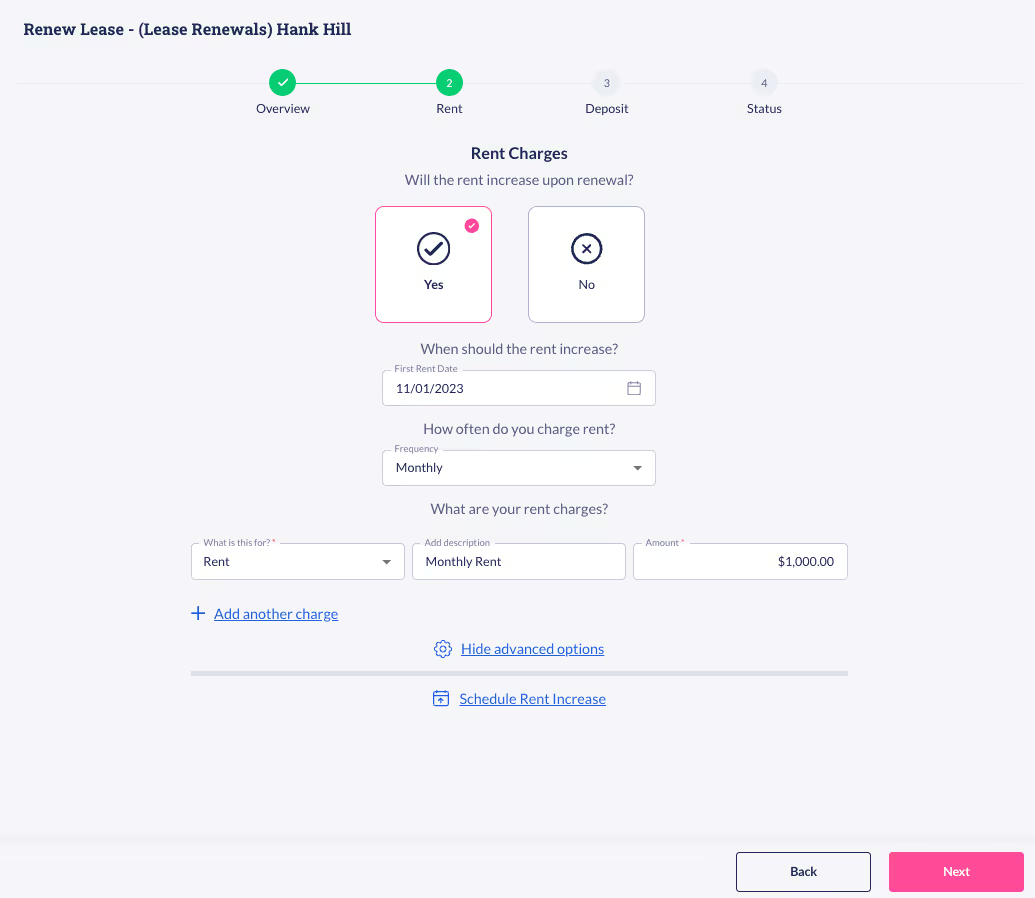
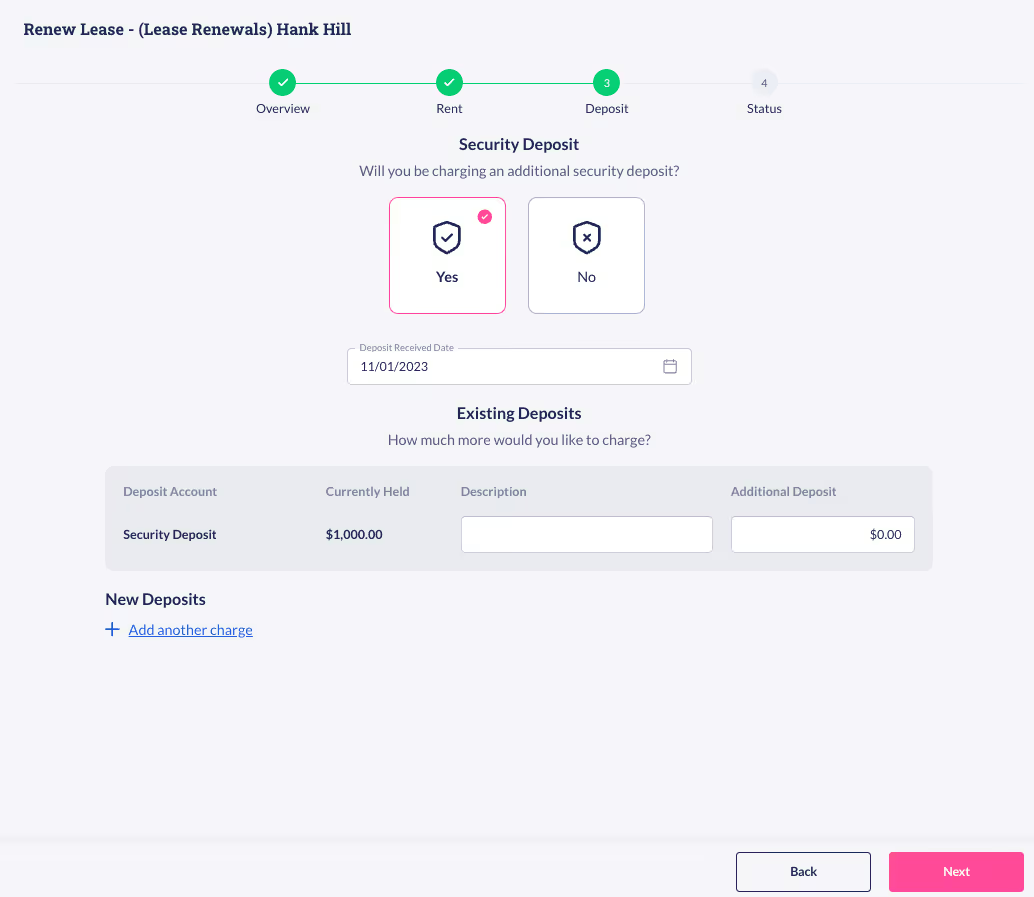
For those cases where additional deposits are needed, DoorLoop also makes it easy to adjust deposit amounts or add new ones. This ensures your lease renewal is comprehensive and accounts for any changes in the tenant’s responsibilities.
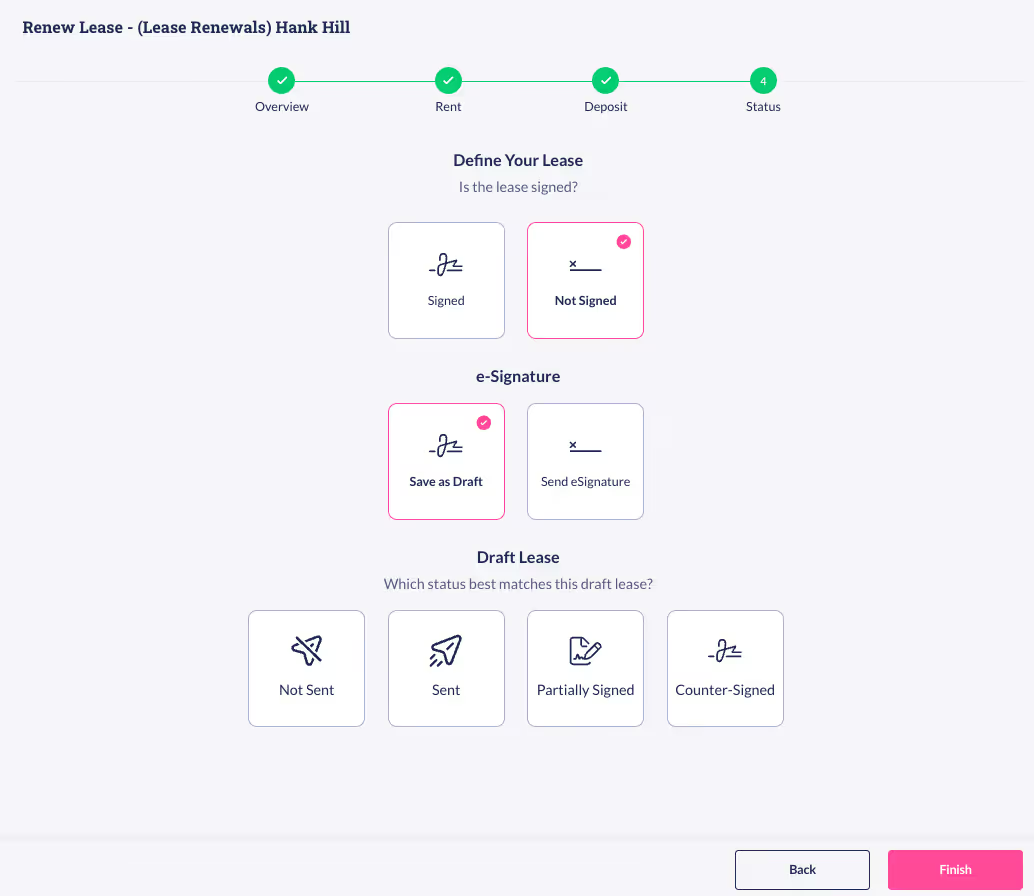
Finally, once the renewal terms are set, you have options for managing the signature process.
DoorLoop’s integrated e-signature functionality lets you either send the document for immediate signing or save it as a draft if further review is needed.
This flexibility ensures that lease renewals can be finalized quickly and securely.
Choosing the Right Approach for Your Lease Strategy
Whether you extend a lease or renew it, the goal is to maintain a productive, positive rental relationship while also protecting your property interests. The right choice will depend on your circumstances:
- Lease extensions are perfect when you’re satisfied with the current arrangement and just want to continue it with minimal fuss. They keep good tenants happy by offering continuity and often involve less paperwork and negotiation.
- Lease renewals give you the flexibility to reset terms. They’re useful when something about the rental needs to change in a significant way – be it the rent price, the rules, or any other conditions – or simply as a periodic refresh of the legal contract after many years.
Ultimately, there’s no one-size-fits-all answer – the decision to extend or renew should align with your rental business strategy and the specifics of the tenancy. Experienced property owners often use a mix: extending leases for stability with good tenants when only minor tweaks are needed, but opting for renewals when they want to implement bigger changes or every few lease cycles just to have an updated contract on file.
Managing these processes across multiple properties can be challenging, but using property management software like DoorLoop helps simplify and automate many administrative tasks, allowing you to focus on what matters most – keeping your properties running smoothly and your tenants happy. A good system will alert you to expiring leases, help generate the needed documents, and even assist with electronic signatures, making both extensions and renewals easier for everyone involved.
Frequently Asked Questions
How far in advance should you extend a rental lease?
It’s best to start the extension process 60–90 days before the lease ends. This gives both parties enough time to review any updates and avoid last-minute decisions.
What is an informal lease extension?
An informal extension is a verbal or handshake agreement to continue the lease under the same terms. Because it’s not in writing, it isn’t legally enforceable, so it’s always better to document the extension and get signatures.
If I extend the lease instead of renewing, can I keep the same rent and terms?
Yes. A lease extension typically keeps all existing terms the same and simply pushes out the end date. You can agree on a small rent adjustment if needed, but there’s no full renegotiation like with a new lease.
Is a lease extension legally binding?
Yes, a written and signed lease extension is fully enforceable. It amends the original contract’s end date (and any noted changes) while keeping all other terms intact.
What if the tenant or landlord doesn’t agree to a lease extension?
If either party declines, the lease ends on its original expiration date. You can negotiate a renewal with different terms or switch to month-to-month, but an extension requires mutual agreement.